
When Your AC System Fails: Understanding Emergency Repair Needs
When your air conditioning system stops working on the hottest day of summer, emergency AC repair becomes a critical need for your family’s comfort and safety. In Columbus, OH, where summer temperatures can soar into the 90s with high humidity, a malfunctioning AC isn’t just an inconvenience – it can be a genuine emergency.
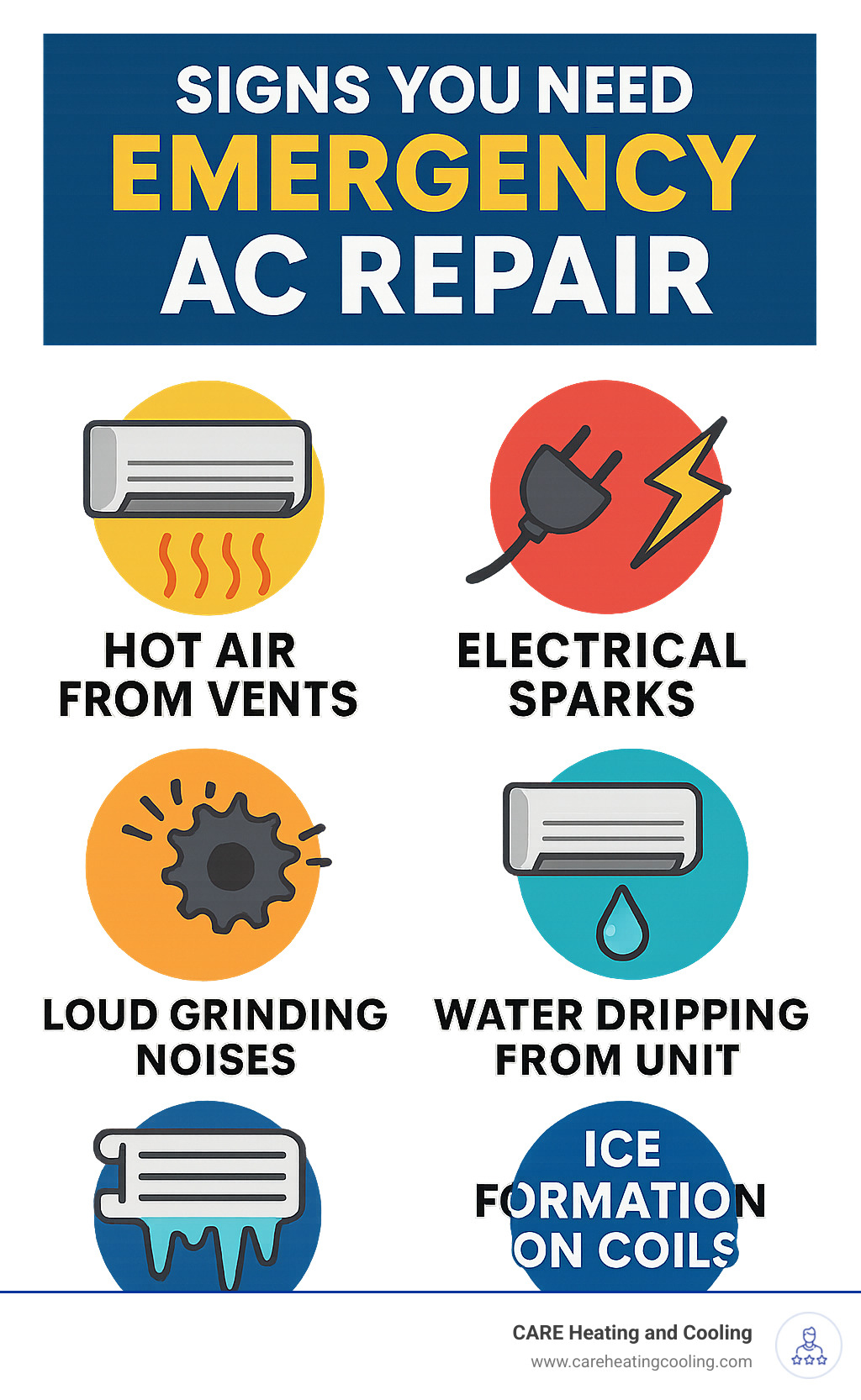
Signs You Need Emergency AC Repair:
- Complete system failure during extreme heat (especially dangerous for children, elderly, or those with health conditions)
- Burning or electrical smells from your AC unit (potential fire hazard)
- Strange noises like grinding, screeching, or banging sounds
- Water leaks around the unit that could cause property damage
- No airflow or warm air blowing from vents
- Frequent circuit breaker trips when the AC runs
- Ice formation on AC components during hot weather
The reality is stark: more than 96% of Florida households rely on AC systems, and in Ohio’s humid summers, air conditioning failure can create dangerous conditions leading to heat exhaustion or heat stroke. As one HVAC expert notes, “Air conditioning issues can strike at the most inconvenient times, often during extreme weather.”
Not every AC problem requires emergency service. Simple issues like incorrect thermostat settings, tripped breakers, or dirty filters can often be resolved quickly. However, electrical problems, complete system failures, and safety hazards demand immediate professional attention.
Understanding the difference between a minor inconvenience and a true emergency can save you money, prevent property damage, and most importantly, keep your family safe during Columbus’s hottest days.
Is It Really an Emergency? Key Signs You Need Immediate AC Repair
It’s a sweltering Columbus afternoon, and you walk into your home expecting cool air but find nothing. Or worse, warm air is blowing from your vents. Your heart sinks as you wonder, “Is this an emergency AC repair situation?”
We get it – sometimes it’s hard to tell if you’re dealing with a minor hiccup or a genuine crisis. The truth is, not every AC problem requires dropping everything and calling for emergency service. But when it comes to signs you need immediate HVAC repair, some situations simply can’t wait until Monday morning.
Defining a True AC Emergency
So what makes an AC problem a real emergency? It’s not just about being uncomfortable (though we know how miserable that can feel). A true AC emergency puts health and safety at risk.
When your system completely fails during extreme heat, especially with vulnerable family members at home – infants, elderly relatives, or anyone with health conditions – that’s an emergency. Heat exhaustion and heat stroke are real dangers that can develop quickly in Ohio’s humid summers.
Then there are the safety concerns that go beyond comfort. Electrical hazards like burning smells or circuits that keep tripping aren’t just inconvenient – they’re potential fire risks. Water damage from leaking units can spiral out of control fast, creating mold problems within 24 hours and causing serious structural damage to your home.
The key is knowing what to do when your AC stops working so you can act quickly when it truly matters.
[LIST] of Telltale Signs Your System Needs Help Now
Your AC usually gives you warning signs before it completely gives up. Here’s when you should pick up the phone and call for immediate help:
Complete system failure with no cool air is the most obvious red flag. If your unit is running but your AC is blowing hot air, something’s seriously wrong – whether it’s a refrigerant leak or compressor failure.
Strange mechanical noises mean trouble is brewing. Your AC should hum quietly in the background, not sound like it’s grinding coffee beans or squealing like a wounded animal. These AC sounds should prompt you to call Powell technicians before small problems become expensive disasters.
Burning smells are never something to ignore. If you catch a whiff of something burning when your AC kicks on, that’s a potential fire hazard requiring immediate attention. Understanding when your AC smells like burning plastic can help you act fast to prevent dangerous situations.
Water leaks around your unit spell trouble. While a little condensation is normal, puddles of water suggest clogged drains, frozen coils, or refrigerant issues. Don’t let signs of refrigerant leaks in your AC go unchecked – they can damage your system and harm the environment.
Short-cycling happens when your AC turns on and off constantly instead of running steady cycles. This puts enormous strain on your system and often indicates serious problems. Learn more about why your AC cycles on and off too frequently to prevent premature system failure.
Electrical problems like dimming lights when your AC starts or frequent breaker trips signal dangerous wiring issues. Understanding why your AC trips the circuit breaker can help you recognize when professional help is urgently needed.
When you spot these warning signs, don’t try to tough it out. A malfunctioning AC that keeps running despite problems often turns minor repairs into major headaches – and major expenses.
What to Do Immediately When Your AC Fails
When your air conditioner suddenly stops working on a blazing Columbus summer day, the sinking feeling is understandable. But taking the right steps immediately can prevent a quick fix from becoming a costly disaster. Let’s walk through what to do to keep you safe and protect your system from further damage.
First-Response Actions for Homeowner Safety
Your safety comes first. If you notice warning signs like burning smells, strange grinding noises, or electrical sparking, your priority is shutting down the system safely. This action prevents a small problem from becoming a big one.
Start with your thermostat. Walk over and switch it completely to the “off” position. This stops your system from trying to run, which can prevent internal components from damaging themselves further. It’s like giving your AC a chance to rest instead of struggling through whatever’s gone wrong.
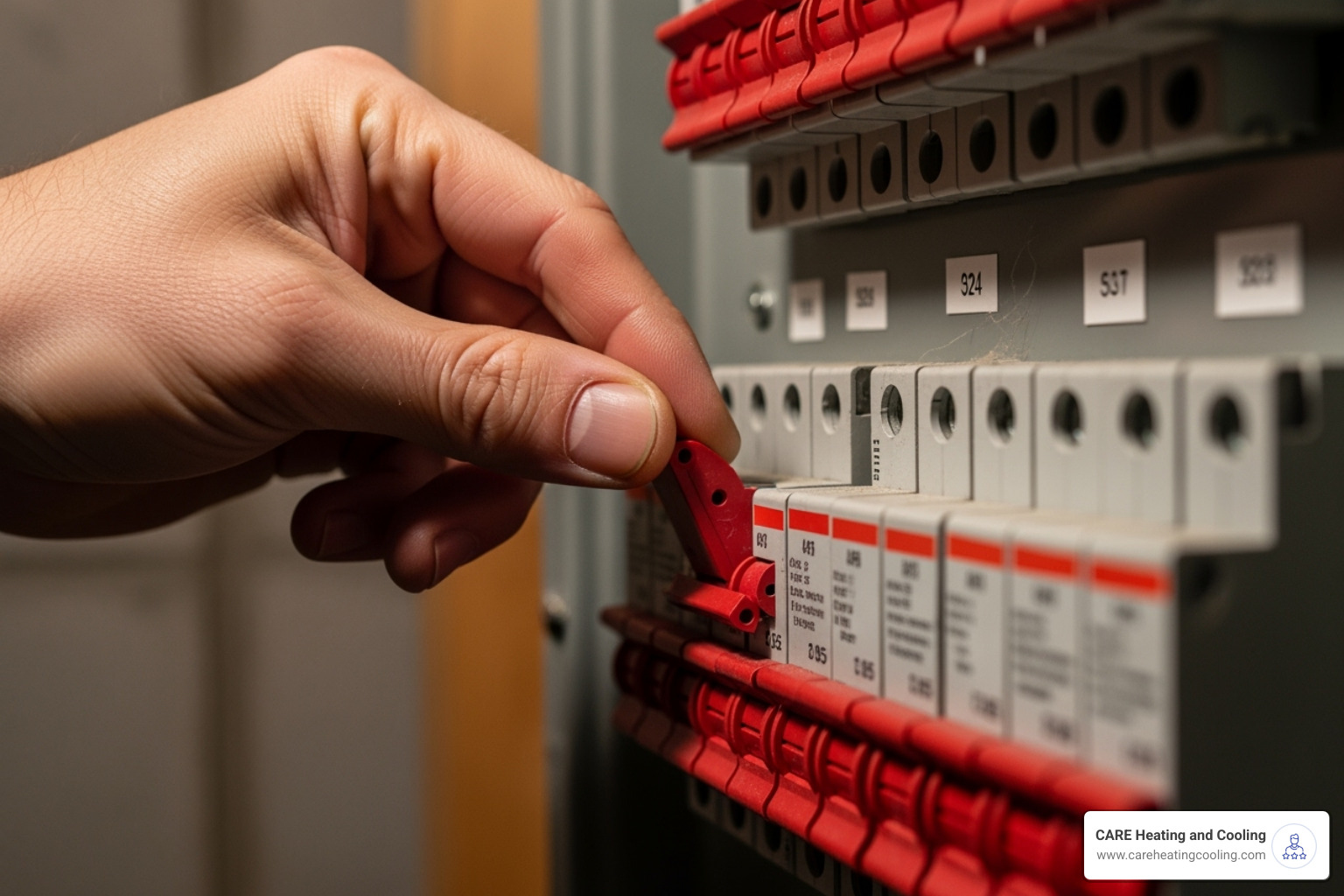
Next, head to your electrical panel – that gray box usually tucked away in your basement, garage, or utility room. Look for the circuit breaker labeled “AC,” “Air Conditioning,” or “HVAC” and flip it to the off position. This cuts all power to the unit, making it completely safe and preventing any electrical hazards. Don’t worry if you’re not sure which breaker it is – when in doubt, it’s better to ask a professional than risk your safety.
For window units, simply unplug them from the wall outlet. These quick actions for emergency AC repair during extreme weather can literally save your system and keep your family safe.
Simple Troubleshooting Before You Call
Before you reach for the phone, let’s play detective for a few minutes. Sometimes what seems like a major emergency AC repair situation is actually something surprisingly simple. We’ve seen homeowners panic over a dead thermostat battery more times than we can count!
Check your thermostat first. Make sure it’s set to “cool” and the temperature is actually lower than what your house feels like right now. If the display looks dim or blank, pop in some fresh batteries. You’d be amazed how often this solves the “broken” AC mystery.
Take a look at your air filter next. A completely clogged filter can make your entire system shut down to protect itself. If you can’t remember the last time you changed it, or if it looks like it’s been through a dust storm, swap it out for a new one. This simple step can increase the energy efficiency of your AC system significantly and might just get you back up and running.
Step outside and inspect your outdoor unit. Is it buried under leaves, grass clippings, or surrounded by overgrown bushes? Your AC needs room to breathe – literally. Clear away any debris and make sure there’s at least two feet of clearance around the entire unit.
Finally, do a quick walk-through of your home to ensure all your vents are open and not blocked by furniture, curtains, or that pile of laundry you’ve been meaning to put away. Blocked vents force your system to work much harder than it should. Our AC not cooling guide covers these steps in more detail.
Temporary Ways to Stay Cool While You Wait
While you’re waiting for professional help, staying comfortable doesn’t have to be impossible. We’ve learned some tricks over the years that can make a real difference in how bearable your house feels.
Get those fans working overtime. Ceiling fans, box fans, desk fans – anything that moves air will create a wind-chill effect that makes you feel several degrees cooler. It’s not just in your head; moving air actually helps your body’s natural cooling system work better.
Turn your home into a cave by closing all blinds, curtains, and shades. Direct sunlight streaming through windows can raise your indoor temperature by 10-20 degrees. Block it out and you’ll notice the difference within an hour.
Stay hydrated, but be smart about it. Water is your best friend right now. Skip the sugary sodas, alcohol, and excessive caffeine – they can actually make you feel hotter and more dehydrated.
Give your other appliances a break. That load of laundry can wait, and maybe tonight’s a great night for takeout instead of firing up the oven. Appliances like dryers, ovens, and dishwashers pump a surprising amount of heat into your home.
Head for the basement or lowest floor if you have one. Heat rises, so the lower levels of your home will naturally be several degrees cooler. Set up camp there with some fans and cold drinks while you wait for help to arrive.
These emergency AC solutions when your system fails can keep you comfortable and safe until professional help restores your home’s comfort.
Preventing Future Breakdowns and Making Smart Decisions
Nobody wants to face another emergency AC repair call. The good news is that many common AC failures are preventable. By understanding what typically goes wrong and taking proactive steps, you can significantly reduce the likelihood of future breakdowns, extend your system’s longevity, and make smart long-term decisions about your home comfort.
Common Causes of AC Failure in Columbus
Columbus summers can be relentless, pushing AC systems to their breaking point. When temperatures soar and humidity climbs, even the most reliable units can struggle. Understanding what typically causes breakdowns helps you spot trouble before it becomes an emergency.
Dirty filters top our list of preventable problems. It sounds simple, but we can’t tell you how many emergency calls we get where a clogged filter is the culprit. When filters get packed with dust and debris, your system works harder than a marathon runner in flip-flops. This restricted airflow can freeze coils or cause components to overheat.
Clogged coils are another sneaky problem. Your evaporator coil inside and condenser coil outside gradually collect dirt and grime. Think of it like trying to breathe through a dirty cloth – your AC just can’t absorb and release heat effectively. The result? Poor cooling and sky-high energy bills.
Refrigerant leaks are particularly troublesome because many homeowners don’t realize refrigerant doesn’t just disappear. If your system is low on refrigerant, there’s almost certainly a leak somewhere. This puts tremendous strain on your compressor – the heart of your AC system. Signs of refrigerant leaks in your AC can help you identify this issue early.
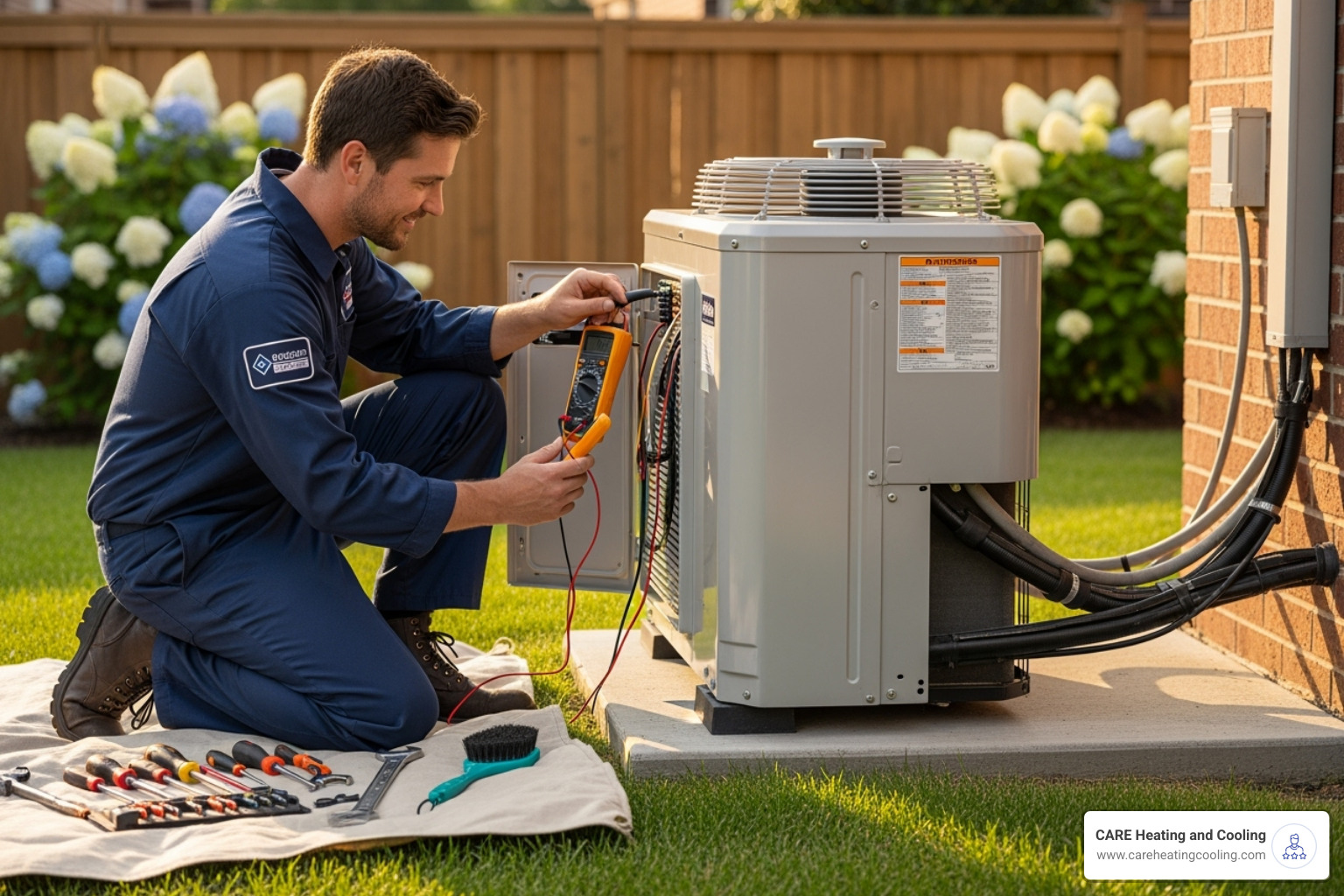
Electrical components like capacitors and fan motors wear out over time, especially during Columbus’s demanding summer months. AC capacitor replacement is one of our most common repairs. When these fail, your system might stop working entirely or cycle erratically.
Finally, drainage problems can turn a small issue into a big headache. When condensate drain lines clog with algae or debris, water backs up and can overflow into your home. We always recommend homeowners resolve AC drainage before damage to your home occurs.
The Power of Prevention: Your Guide to an Emergency-Free Summer
Here’s the truth: regular maintenance is the best insurance policy you can buy for your AC system. It’s not just about avoiding breakdowns – it’s about keeping your family comfortable and your energy bills reasonable.
Professional AC tune up services should happen annually, ideally in spring before the summer heat arrives. During these visits, our technicians clean coils, check refrigerant levels, inspect electrical components, and catch small problems before they become big ones. The importance of AC tuneups cannot be overstated – they’re like regular checkups for your system.
Changing air filters is the simplest thing you can do to prevent problems. Check your filter monthly during peak cooling season and replace it every 1-3 months. A clean filter doesn’t just prevent breakdowns – it can increase the energy efficiency of your AC system by up to 15%.
Your outdoor unit needs attention too. Keep the area around your condenser clear of debris, plants, and lawn furniture. Give it at least two feet of breathing room on all sides. You can gently rinse the coils with a garden hose to remove surface dirt, but always turn off the power first.
Professional inspections catch the subtle issues that homeowners typically miss. Things like minor refrigerant leaks, worn electrical connections, or components showing early signs of wear. When we find these during routine maintenance, repairs can be scheduled at your convenience rather than during a sweltering emergency.
Repair vs. Replacement: Making the Right Long-Term Decision
Sometimes, despite your best efforts, an AC unit reaches the end of its useful life. When facing a significant repair, the big question becomes: should you fix it or replace it?
System age plays a huge role in this decision. Most AC units last 10-15 years with proper care. If your system is approaching or has passed this milestone, investing in major repairs might not make financial sense. Older systems are also less efficient and more prone to future breakdowns. Our guide on signs your old AC needs replacement can help you evaluate your situation.
Frequency of repairs tells its own story. If you’re calling for service multiple times each season, your AC is trying to tell you something. At some point, you’re just throwing good money after bad.
Energy efficiency is another important factor. Modern AC systems have much higher SEER ratings than older models. While a new system requires an upfront investment, the monthly energy savings can be substantial over time.
Here’s where our company philosophy really shines. Our technicians are paid to fix units, not to sell new ones. This means when we recommend replacement, it’s because it truly makes sense for your situation and budget. We’ll give you the honest assessment you need to make the right long-term decision for your family’s comfort.
Finding a Trustworthy Emergency AC Repair Service in Columbus
When your AC suddenly decides to quit on the hottest day of summer, you need help fast. But here’s the thing – in those desperate moments, it’s easy to call the first company that pops up in your search results. That’s exactly when you need to be most careful about who you invite into your home.
Finding the right emergency AC repair service in Columbus isn’t just about speed (though that definitely matters). It’s about finding a company that will treat you fairly when you’re most vulnerable.

What to Look for in a 24/7 HVAC Provider
Think of choosing an HVAC company like picking a doctor for your family. You want someone who’s qualified, trustworthy, and actually cares about solving your problem.
Licensed and insured should be non-negotiable. This isn’t just paperwork – it’s your protection. When licensed HVAC technicians work on your system, you know they’ve met industry standards and can legally perform the work. Insurance protects both you and them if something goes wrong.
Positive customer reviews tell the real story. Take a few minutes to read what other Columbus homeowners are saying. Look for patterns in the feedback – do people consistently mention quick response times? Fair pricing? Honest recommendations? These reviews are like getting advice from your neighbors.
A local Columbus presence makes a huge difference, especially during emergencies. Local companies understand our Ohio weather challenges and can get to you faster when you need emergency HVAC service near me. They also have a reputation to maintain in the community, which keeps them accountable.
Clear communication becomes crucial when you’re stressed about a broken AC and potentially facing a big repair bill. The right company will explain what’s wrong in plain English, walk you through your options, and answer your questions patiently.
Prompt response time can mean the difference between a uncomfortable evening and a sleepless night. Look for companies that explicitly offer 24/7 service and can give you realistic timeframes for arrival.
Why an Ethical Approach to emergency AC repair Matters
Here’s where things get personal. When your AC breaks down, you’re not just hot and uncomfortable – you’re also vulnerable. Some companies see this as an opportunity to oversell or push expensive replacements when a simple repair would do just fine.
At CARE Heating and Cooling, we’ve built our entire business around doing the opposite. We believe that honest diagnostics should always come first. Our technicians take the time to properly diagnose the problem and explain what’s actually wrong, not what might make us the most money.
Here’s what makes us different: our repair-focused technicians are paid to fix your unit, not to sell you a new one. Think about how that changes everything. When a technician’s paycheck depends on finding solutions rather than making sales, they’re naturally motivated to explore every repair option first.
We don’t believe in high-pressure sales tactics because, frankly, they’re unnecessary when you’re providing genuine value. Instead of rushing you into decisions, we give you clear information and let you choose what works best for your family and budget.
Transparent communication isn’t just a buzzword for us – it’s how we operate. You’ll always know what we found, why we think it happened, and what your realistic options are. No surprises, no hidden agendas.
This customer-first philosophy has earned us recognition, including the BBB Torch Award for Ethics. But more importantly, it’s earned us the trust of Columbus families who know they can count on us to do the right thing, even when no one’s watching.
When you’re dealing with an emergency AC repair, choosing the right company means choosing peace of mind. You deserve technicians who see you as more than just another service call – you deserve people who genuinely want to solve your problem and get your family comfortable again.
Frequently Asked Questions about Emergency AC Repair
When your AC starts acting up, especially during Columbus’s sweltering summers, it’s natural to have questions. We’ve been helping homeowners steer these stressful situations for years, and these are the questions we hear most often. Let’s tackle them together!
What is the biggest sign I need an emergency AC repair?
Two situations should have you reaching for the phone immediately: a burning smell coming from your AC unit or complete system failure during extreme heat.
A burning smell isn’t just unpleasant – it’s a red flag signaling a serious electrical hazard that could lead to a fire. This could be anything from overheated wiring to a failing motor component. Don’t try to “tough it out” or investigate yourself. Turn off the system immediately and call for help.
Complete system failure during a heatwave creates a different kind of emergency – a health emergency. When temperatures soar into the 90s with high humidity, your home can quickly become dangerous, especially for children, elderly family members, or anyone with health conditions. Heat exhaustion and heat stroke are real risks that develop faster than many people realize.
Can I keep running my AC if it’s making a strange noise?
We know it’s tempting to keep that cool air flowing, but running a noisy AC is like driving a car with grinding brakes – you’re asking for trouble. Strange noises like grinding, squealing, or banging are your AC’s way of crying for help.
These sounds typically indicate mechanical problems – maybe a worn bearing, a failing motor, or something loose that’s rattling around where it shouldn’t be. What starts as a minor issue requiring a simple repair can quickly escalate into a catastrophic failure if you ignore it.
The safest approach? Turn it off and call a professional. We’ve seen too many cases where homeowners tried to “ride it out” only to end up needing a complete system replacement instead of what could have been a straightforward repair. Your wallet (and your peace of mind) will thank you for acting quickly.
How often should I get my AC maintained to prevent emergencies?
Think of AC maintenance like getting your car serviced – once a year is the sweet spot for preventing most emergency breakdowns. We recommend scheduling your professional service in the spring, before Columbus’s summer heat really kicks in.
During this annual tune-up, our technicians clean your system, check refrigerant levels, inspect electrical components, and look for worn parts that could fail when you need your AC most. It’s like giving your system a physical exam – we catch potential problems before they turn into emergency AC repair situations.
This proactive approach doesn’t just prevent emergencies; it also keeps your system running efficiently, which means lower energy bills and a longer lifespan for your equipment. Plus, there’s something reassuring about knowing your AC is ready to handle whatever summer throws at it!
Conclusion: Restoring Your Comfort with Confidence
When your air conditioner decides to take a summer vacation without asking, it doesn’t have to spell disaster for your family’s comfort. Throughout this guide, we’ve equipped you with the knowledge to recognize when you’re facing a true emergency AC repair situation versus a simple hiccup that can wait until morning.
The key takeaways are straightforward: Act promptly when you notice burning smells, complete system failure, or strange noises. These aren’t just inconveniences – they’re your AC system’s way of calling for help before something more serious happens. Remember those immediate safety steps we discussed: turn off the system, check the circuit breaker, and try those simple troubleshooting tricks before panic sets in.
But here’s the thing – prevention really is your best friend. Those annual tune-ups and regular filter changes we talked about? They’re not just suggestions from your friendly neighborhood HVAC company. They’re your insurance policy against sweltering summer nights spent tossing and turning in a stuffy house.
When you do need professional service, choosing the right team makes all the difference. At CARE Heating and Cooling, we’ve built our reputation on something pretty simple: doing right by our customers. Our BBB Torch Award for Ethics isn’t just a shiny plaque on the wall – it represents our commitment to honest diagnostics and transparent communication.
Here’s what sets us apart: our technicians are paid to fix, not sell. That means when we arrive at your door, we’re focused on getting your system running again, not pushing you toward an expensive replacement you might not need. This customer-first philosophy has earned us the trust of Columbus families who know they can count on us for trustworthy solutions.
Your comfort matters, and so does your peace of mind. When you choose our Columbus Ohio air conditioning heating services, you’re choosing a team that’s genuinely invested in restoring your comfort with confidence – every single time.